Garden Waste Removal near Myddelton House Gardens: A Practical Local Guide
If your garden is full of cuttings, old soil, hedge trimmings, ivy, branches, broken pots, or that one stubborn pile you keep meaning to deal with, you are not alone. Garden Waste Removal near Myddelton House Gardens is one of those jobs that looks simple until you actually start lifting, bagging, loading, and figuring out where it all should go. And if you live or work close to Myddelton House Gardens, the job can feel even more time-sensitive. Paths need to stay clear, front drives need to look tidy, and nobody wants green waste sitting around for days in damp weather.
This guide explains what garden waste removal involves, how it works, when it makes sense to book help, and what to look for if you want a tidy, efficient clearance with minimal fuss. You will also find practical tips, common mistakes to avoid, and a realistic comparison of your options. To make things easier, we have also linked to useful related pages such as garden clearance services, general waste removal support, and recycling and sustainability information where it helps the reader journey.
Truth be told, most people do not need a lecture on composting. They need the garden cleared, the waste handled properly, and the space back. Let's get into the useful bit.
Table of Contents
- Why Garden Waste Removal near Myddelton House Gardens Matters
- How Garden Waste Removal near Myddelton House Gardens Works
- Key Benefits and Practical Advantages
- Who This Is For and When It Makes Sense
- Step-by-Step Guidance
- Expert Tips for Better Results
- Common Mistakes to Avoid
- Tools, Resources and Recommendations
- Law, Compliance, Standards, or Best Practice
- Options, Methods, or Comparison Table
- Case Study or Real-World Example
- Practical Checklist
- Conclusion
- Frequently Asked Questions
Why Garden Waste Removal near Myddelton House Gardens Matters
Myddelton House Gardens sits in a part of Enfield where gardens often have a bit more structure, maturity, and character than a standard patch of lawn. That usually means more pruning, more seasonal growth, and more material to remove after a proper tidy-up. A few bags of clippings is one thing. A full post-cutback clear-out is another story entirely.
Garden waste matters because it affects more than appearance. Left too long, it can attract pests, create slipping hazards on paths, block drainage channels, and make a garden feel smaller and harder to manage. In wet weather, piles of green waste can become heavy, muddy, and awkward very quickly. Branches snag. Bags split. Soil spreads. It's the sort of job that starts neat and ends with you wondering why you didn't just book help in the first place.
In a local area near a well-kept public garden like Myddelton House Gardens, people often value outdoor spaces as much as indoor ones. Whether you are preparing a garden for guests, clearing after a storm, or just getting on top of the mess after months of growth, removing waste properly is part of keeping the whole property in good order.
There is also a practical environmental angle. Green waste can often be reused, composted, or sent for recycling through the right channels. That is one reason it helps to choose a service with a clear recycling and sustainability approach, rather than treating everything as ordinary rubbish.
Expert summary: Good garden clearance is not just about making things look tidy for today. It is about reducing risk, saving time, and preventing a small mess from becoming a larger one next week.
How Garden Waste Removal near Myddelton House Gardens Works
Most garden waste removal jobs follow a straightforward process, although the exact details vary depending on the size of the clearance and the condition of the site.
1. Identify what needs to go
The first step is simply working out what counts as waste. Typical items include hedge trimmings, grass cuttings, leaves, plants, weeds, branches, roots, turf, old bark, dead shrubs, and soil in manageable quantities. Some teams will also take broken garden furniture or mixed outdoor junk, though that may shift into a broader garage clearance or home clearance type job if the pile is more mixed than green.
2. Separate green waste from general rubbish
This is where people often lose time. Mixed waste takes longer to sort, and not everything from the garden is classed as green waste. Plastic pots, fencing offcuts, broken tools, soil bags, and rusted metal may need different handling. A tidy separation at the start usually makes the whole job faster. Small detail, big difference.
3. Arrange access and loading
For properties near Myddelton House Gardens, access can matter as much as volume. Is there a narrow side passage? A shared drive? A flight of steps? A crew should be able to assess how waste will be carried out without damaging paving, borders, or fences. If access is awkward, you may want to check the company's insurance and safety standards before booking.
4. Load, remove, and sort for disposal
Once collected, the waste is loaded and taken away for the appropriate disposal or recycling route. A good provider will not just dump everything into the nearest skip and hope for the best. They should know which materials can be recycled and which require different handling. That matters for both compliance and sustainability.
5. Leave the site clean and usable
The best finish is the one that makes your garden feel immediately usable. Not perfect, necessarily. Just clear, calm, and ready for whatever comes next, whether that is replanting, lawn care, or a much-needed cup of tea.
Key Benefits and Practical Advantages
Garden waste removal is often seen as a convenience service, but the real value goes further than convenience alone.
- Time saved: What might take you half a weekend can often be dealt with in a much tighter window.
- Less physical strain: Heavy bags, wet soil, and thorny branches are not kind to backs or hands.
- A tidier property: Clear spaces instantly improve the look and feel of a home, flat, or business frontage.
- Better safety: Removing trip hazards, sharp cuttings, and stacked branches reduces day-to-day risk.
- More usable space: Once the waste is gone, you can actually see the garden properly again. Funny how that works.
- Improved seasonal maintenance: A clean start makes pruning, planting, and lawn care easier.
- Proper disposal: Waste can be handled in a way that supports recycling and reduces landfill where possible.
For some households, the biggest benefit is psychological, if that is the right word. A cluttered garden can quietly nag at you every time you look out the window. Remove the mess, and the whole property feels lighter. A bit less mental noise. That counts.
Who This Is For and When It Makes Sense
Garden waste removal near Myddelton House Gardens is useful for a wide range of people, not just keen gardeners.
Homeowners with seasonal growth
If your garden gets dense in spring and summer, or if autumn leaves pile up quickly, a one-off clearance can stop the garden from getting away from you.
Landlords and letting agents
Vacant properties, end-of-tenancy gardens, and overgrown outdoor spaces often need a quick reset before viewings or new occupancy.
Older residents or busy families
Not everyone has the time or physical energy to drag waste to a tip. Sometimes the sensible choice is to let a team handle it properly.
Businesses with outdoor areas
Cafes, offices, care settings, nurseries, and other premises with planters, borders, or small outdoor spaces often need ongoing garden waste removal as part of general upkeep. In some cases, this sits alongside business waste removal or broader office clearance support.
People tackling a bigger outdoor project
If you are reshaping a garden, removing old beds, or preparing for landscaping, you may generate far more waste than expected. Root balls, broken sleepers, old membrane, and cut timber can build up quickly. That is where a professional clearance can save a lot of back-and-forth.
If you are wondering whether it is "enough waste" to justify booking help, a simple test works well: if the pile looks awkward, heavy, time-consuming, or likely to grow, it probably is. To be fair, most people know the answer before they even ask.
Step-by-Step Guidance
Here is a practical way to handle garden waste removal without making the job harder than it needs to be.
- Walk the garden first. Look for all waste, not just the obvious pile. Check behind sheds, along fences, under hedges, and near borders.
- Sort by material. Keep green waste separate from plastic, metal, timber, rubble, or general household rubbish.
- Bag light waste early. Leaves, clippings, and weeds are easier to manage in manageable sacks than in loose heaps.
- Cut long branches down to size. Shorter lengths are easier to carry and load. No need to wrestle with a branch like it's a small tree from a fantasy film.
- Protect surfaces. Use care on paving, decking, and narrow side passages. Wet mulch and soil can be slippery.
- Check access points. Gates, side entrances, and parked cars can slow a job down if they are not considered in advance.
- Book the right service level. A small tidy-up may need a simple collection. A larger clear-out may need a full garden clearance service.
- Confirm disposal handling. Ask where the waste is going and whether recyclable garden material is separated.
- Do a final sweep. Once the waste is gone, check for nails, broken glass, thorns, or bits of wire that can get missed in the rush.
One practical tip: if it is raining, wait if you can. Wet green waste is heavier, muddier, and harder to move. A dry morning can save a surprising amount of effort.
Expert Tips for Better Results
After plenty of real-world clearances, a few small habits make a big difference.
Keep a "working pile" and a "done pile"
When you are pruning, the mess can spread across the whole garden before you know it. Keep waste in one zone. It looks tidier, and it speeds up collection. Simple, but it works.
Bag before the weather turns
Leaves and clippings left on damp ground can become compacted and slippery. If you are planning a collection, bagging early avoids that soggy, heavy, awkward stage. Everyone has seen it happen.
Know what should not go with garden waste
Paint tins, chemicals, asbestos, electrical items, and many household items are not garden waste. If something looks questionable, set it aside and ask before mixing it in.
Think in stages for bigger gardens
For overgrown spaces, split the work into sections: front, side return, rear border, shed area, then final sweep. It is calmer and much more manageable.
Match the service to the job
If the garden waste is just part of a larger clearance, a wider service may be more efficient. For example, if a shed renovation has produced wood, fixtures, and leftover materials, a builders waste clearance option may fit better than a basic green waste pickup.
Common Mistakes to Avoid
Most garden waste removal problems are not dramatic. They are just annoying, expensive, or time-wasting. Which is honestly bad enough.
- Mixing everything together: Green waste, rubble, plastic pots, and old tools are often treated differently. Mixing them can complicate disposal.
- Underestimating volume: A pile of branches always looks smaller before it is bagged and stacked.
- Leaving roots and soil until last: Soil is heavy. Root balls are heavier. Plan for them early.
- Blocking access: Cars, bins, bikes, or garden furniture left in the way can slow the whole removal process.
- Ignoring safety: Gloves, closed shoes, and sensible lifting technique matter more than people like to admit.
- Choosing solely on price: A cheap quote with poor disposal standards can cost more in the long run.
- Forgetting the finishing sweep: Little bits of wire, twine, and thorns are easy to miss and unpleasant to step on later.
If you want to avoid a common headache, ask a company exactly what they class as garden waste and what they exclude. It takes 30 seconds. Saves a lot of back-and-forth.
Tools, Resources and Recommendations
You do not need a full landscaping toolkit to prepare for a garden clearance, but a few basic items help a lot.
- Heavy-duty garden bags: Better for clippings, leaves, and smaller loose material.
- Tarpaulin: Useful for dragging cut waste to one point without scraping the ground.
- Gloves: Thorn-proof or reinforced gloves are worth it for brambles and rose cuttings.
- Secateurs and loppers: Good for reducing branch size before removal.
- Shovel and rake: Helpful for soil, leaf piles, and the final tidy-up.
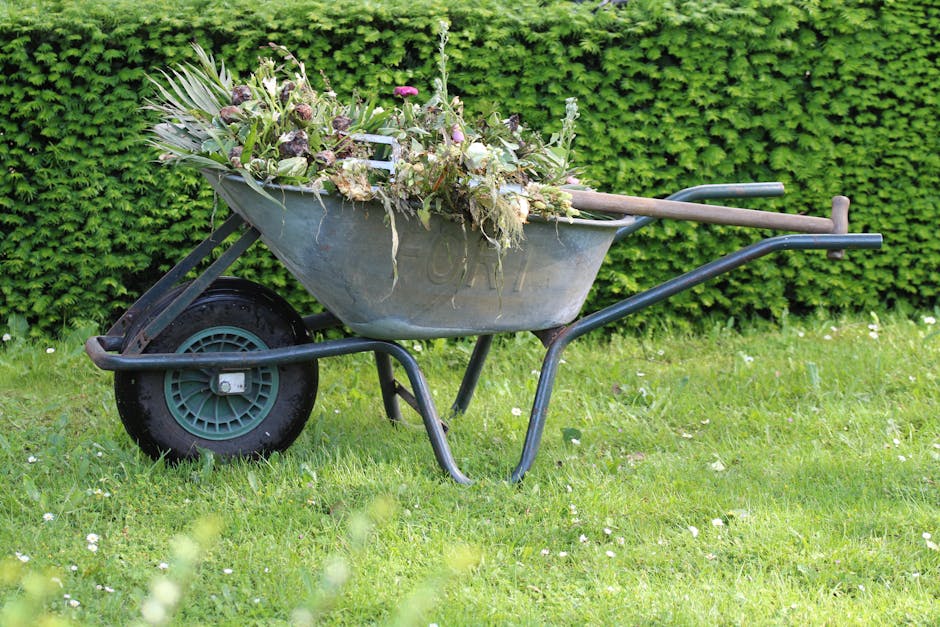
- Wheelbarrow: A simple one, but a real back-saver on bigger jobs.
For related services, it can also help to know whether you need a broader clearance. For example, if your shed is full as well as your borders, a garage clearance may be useful. If the job has spread into the house, house clearance or home clearance support may make more sense.
And if you are comparing providers, the pricing and quotes page is a sensible place to understand how quotes are usually structured before you commit.
Law, Compliance, Standards, or Best Practice
Garden waste removal is usually straightforward, but there are still sensible compliance points to keep in mind. In the UK, waste should be handled by a responsible operator using appropriate disposal routes. For a customer, the main thing is to make sure waste is not fly-tipped, mixed irresponsibly, or taken away by someone who cannot explain where it goes.
That is especially relevant when dealing with mixed loads. Green waste can often be recycled or composted, while timber, soil, rubble, and general rubbish may need different treatment. A good provider should be clear about this. If they are vague, that is a sign to ask more questions.
Best practice also includes:
- using safe lifting and loading methods
- protecting surfaces and access routes
- checking for hidden hazards such as nails, glass, or sharp wire
- separating recyclable material where practical
- making sure the disposal route is lawful and traceable
For customers who want a little more reassurance, it is reasonable to look at a company's health and safety policy and insurance and safety information. You should not need to become a compliance expert, but you do deserve confidence that the work will be handled properly.
Options, Methods, or Comparison Table
There are a few ways to deal with garden waste near Myddelton House Gardens. The right one depends on volume, time, access, and how much effort you want to spend on the job yourself.
| Method | Best for | Pros | Limitations |
|---|---|---|---|
| DIY tip run | Small volumes of light waste | Can seem cheaper if you already have transport | Time-consuming, messy, and awkward for heavy or bulky material |
| Garden waste bags and council-style disposal | Routine maintenance waste | Works well for ongoing tidy-ups | Not ideal for large clearances or mixed waste |
| Professional garden clearance | Overgrown gardens, seasonal cutbacks, bulky loads | Fast, convenient, better for difficult access | Costs more than doing it yourself, though often saves time and effort |
| Mixed waste removal | Jobs with branches, timber, planters, and garden junk | Useful when the garden mess is not just green waste | Needs clearer sorting and proper disposal handling |
For many people, the deciding factor is not just cost. It is whether they want to give up half a day, a full day, or a whole weekend to the task. That matters more than people admit at first.
Case Study or Real-World Example
Here is a realistic example based on the kind of job people near Myddelton House Gardens often face.
A homeowner has spent the spring cutting back hedges, clearing climbing plants, and pruning an overgrown rear border. The garden looks better already, but now there is a stack of branches, a dozen bags of green waste, a few broken pots, and some old timber edging. The side passage is narrow, the weather is turning, and the pile is starting to encroach on the patio.
Rather than stretching the task over two or three weekends, they book a clearance service. The waste is sorted, loaded in one visit, and taken away properly. The garden goes from "almost there" to genuinely usable. The border can be replanted. The patio is clear again. And that awkward sense of unfinished business disappears.
What made the difference? Not magic. Just timing, good sorting, and the decision not to keep putting it off. That last bit is always the hardest, isn't it?
Practical Checklist
Use this checklist before arranging garden waste removal near Myddelton House Gardens:
- Identify all garden waste, not just the obvious pile
- Separate green waste from general rubbish, timber, and rubble
- Check access through gates, side passages, and driveways
- Remove cars, bins, and furniture that could block loading
- Bag light material before collection day if possible
- Cut large branches into manageable lengths
- Ask how mixed waste will be handled
- Confirm whether the service includes loading and sweep-up
- Review safety and insurance information if access is awkward
- Make sure you know what needs to stay on site
If your garden project is bigger than a simple tidy, it can also be useful to look at adjacent services such as furniture disposal or furniture clearance if outdoor furniture, broken chairs, or old seating are part of the same job. Sometimes one clear-out naturally leads to another. Happens all the time.
Conclusion
Garden Waste Removal near Myddelton House Gardens is really about making outdoor space work again. Whether you are clearing after a seasonal cutback, a storm, a landscaping project, or months of gradual overgrowth, the right removal approach saves time, reduces stress, and leaves the garden ready to enjoy. A tidy garden is not just nicer to look at. It is easier to maintain, safer to move through, and far less mentally exhausting.
When you compare options, focus on more than the headline price. Look at access, disposal handling, recycling practices, safety, and how well the service fits the actual job in front of you. That is the difference between a quick fix and a proper result. And, to be fair, the proper result is usually what you wanted all along.
Get a free quote today and see how much you can save.
Sometimes the best garden improvement is not planting something new. It is simply clearing away what no longer belongs there, and letting the space breathe again.
Frequently Asked Questions
What counts as garden waste removal near Myddelton House Gardens?
It usually includes grass cuttings, hedge trimmings, leaves, weeds, branches, plants, roots, and other organic garden material. Some services also take mixed outdoor waste, but that may need a different clearance approach.
Can you remove soil and turf as well as branches and clippings?
Often yes, but soil and turf are heavier than green cuttings and may be handled differently. It is worth confirming this in advance, especially if the load is large or awkward.
Is garden waste removal better than taking everything to the tip myself?
For small, light loads, DIY can work. For larger, heavier, or mixed waste, professional removal usually saves time, lifting strain, and multiple trips. The answer depends on volume and access.
How quickly can garden waste be collected?
That depends on the provider and the size of the job. Smaller clearances can often be arranged quickly, while larger or more complex jobs may need a proper slot. If timing matters, ask upfront.
What should I do before the waste team arrives?
Separate waste where you can, clear access paths, move cars or bins out of the way, and point out anything delicate such as new planting, loose paving, or low fencing.
Do I need a full garden clearance or just waste removal?
If you already have the garden cut back and only need the waste taken away, a removal service may be enough. If the space is overgrown or cluttered, a fuller garden clearance is often the better fit.
What happens to the garden waste after collection?
Good providers sort material so that recyclable green waste can be processed appropriately. Mixed loads may be separated further, depending on what has been collected and where it can go next.
Are there any safety issues I should know about?
Yes. Wet waste can be slippery, branches can spring back, and hidden debris such as glass or wire can cause injury. Good gloves, steady footwear, and careful lifting help, but larger jobs are often safest when handled by professionals.
Can garden waste removal include old furniture or broken pots?
Sometimes. Broken pots, plant stands, or outdoor furniture may be included as part of a mixed clearance. If you also need indoor items removed, services like home clearance or house clearance may be more appropriate.
How do I know I am choosing a trustworthy company?
Look for clear pricing, sensible communication, proper insurance and safety information, and a straightforward explanation of disposal methods. If a provider is vague about where waste goes, that is not a great sign.
Can garden clearance help after landscaping work?
Yes. Landscaping often creates more waste than people expect, including soil, timber offcuts, old plants, membrane, and rubble. A service that also handles builders waste clearance can be especially useful in those situations.
Is there anything I should not put with green waste?
Yes. Chemicals, paint, electrical items, batteries, and many general household materials should not be mixed into garden waste. If in doubt, keep it separate and ask before collection.
What is the best time of year to arrange garden waste removal?
There is no single best time, but spring and autumn are especially common because gardens tend to generate more clippings and leaf fall. After stormy weather or a heavy pruning session, booking sooner rather than later usually makes life easier.