Office Clearance in Enfield

Office clearance in Enfield should be organised around the way your workplace actually operates, whether you are emptying a single suite, preparing for refurbishment or dealing with an end-of-lease handover. We provide a practical service for the removal of desks, chairs, storage units, filing, electrical items and general office contents, with an approach that keeps the process orderly from the first enquiry through to the final sweep-up. The aim is straightforward: remove what needs to go, separate what can be handled responsibly, and leave the space ready for its next stage.
Commercial clearances often involve more than a simple collection. There may be items in work areas, meeting rooms, kitchens, cupboards, archive spaces and reception areas, all needing a sensible plan so the job can proceed without unnecessary disruption. We handle mixed office loads carefully and work with the layout of the premises, the access available and the nature of the items involved. Furniture, fixtures and general contents can all be included where arranged, and the service can be adapted to suit a partial clearance or a fuller emptying.
For a clearer idea of the likely scope, use the service pages on this website to review common clearance types and decide which route fits your premises best. If you are comparing a one-room clearance with a larger commercial project, it is worth thinking first about access, item type and whether anything needs to be kept separate before removal. Start with the main items to be cleared, then build the enquiry around those details. If you are ready to move forward, request a quotation in plain terms and describe the office space as accurately as you can.
Commercial furniture and workplace items
Most office clearance work begins with the furniture that takes up the greatest volume. Desks, task chairs, meeting tables, cabinets, shelving, pedestals and reception pieces may all need to be removed in one visit or in stages. A sensible plan helps reduce handling time and allows reusable or segregated items to be dealt with in the right order. Where office furniture is still serviceable, it may be more efficient to keep those pieces separate from damaged or obsolete stock so the clearance remains organised.
Office contents often include more than standard furniture. Pedestal drawers, lockable cupboards, partitions, small breakout items, wall-mounted shelving and similar pieces can all create a mixed load that requires attention to size, fixings and access. If items need dismantling before removal, that is best considered at the planning stage. A quotation request should therefore describe what is present, how much of it is fixed in place and whether the clearance needs to avoid interrupting normal business operations. The more complete the description, the easier it is to match the work to the premises.
Office clearance can be a useful starting point if you want to understand the scope of the service, while furniture clearance is relevant when the job is dominated by desks, seating and storage. For mixed premises, home clearance and commercial work are separate categories, so it helps to choose the page that matches the items rather than the room label. If the contents are mainly workplace furnishings, focus the quotation around those pieces rather than a general clean-out.
Archive rooms, paperwork and office storage

Many offices in Enfield have archive areas, cupboards or back-room storage that gradually fill with old files, boxed materials and redundant equipment. Clearance work in these spaces can be more involved than it first appears because the contents are usually compacted, labelled inconsistently and stored across shelves or cabinets. A careful approach matters, especially where the client wants to keep selected records, remove obsolete material or create a better arrangement for what remains. Clear instructions about what stays and what goes are especially helpful in archive-led clearances.
Office storage clearances are often completed alongside the main workspace, but they can also be arranged as a distinct phase when there is sensitive filing or a room full of mixed items. When preparing a quotation, it is useful to note whether shelves are to be cleared, whether boxes are sealed, and whether the contents include old stationery, reference files, furniture or obsolete equipment. If there are multiple cupboards, record rooms or storage cages, mentioning them individually helps the service reflect the true scale of the work rather than a generic room count.
Where a business needs to compare services, the site pages for business waste removal and waste removal may help separate scheduled disposal from a one-off clearance. The distinction matters because office clearance is usually about removing contents from a defined workplace, while other services may suit ongoing operational waste streams. Keep the enquiry focused on the rooms, cupboards or archive zones that actually need clearing, and note any items that should remain in place.
Desks, IT equipment and mixed office contents
Modern offices rarely contain only furniture. Computers, monitors, printers, telephones, docking accessories, cables, small peripherals and boxed consumables often sit alongside the larger items that form the obvious part of a clearance. These mixed loads are best approached in an orderly way so the office can be stripped back without leaving important items behind or mixing fragile equipment into unsuitable piles. A clear inventory, even if brief, makes the job easier to plan and helps determine which parts of the premises will take the longest to clear.
Because office environments vary so much, the practical decisions usually concern access, item grouping and the amount of separation required. For example, a room full of small IT items may need more sorting than a suite full of plain furniture, while a storage area with boxed equipment may be quicker to process but still require careful handling. If you are requesting a quotation, mention whether the contents are mostly furniture, mostly electronics or a true mixture. That distinction helps the work be priced and organised sensibly.
Useful details to include when asking for office clearance in Enfield are:
- the number of rooms or zones involved
- the main item types, such as desks, chairs or equipment
- whether anything is fixed, stacked or stored in cupboards
- any access points, stairs or loading restrictions
- items that must stay in the building
Clearance planning and access arrangements
Good planning keeps an office clearance practical, especially where the premises are still in use or where other contractors are due to follow on. The route through the building, the size of lift access, the presence of security doors and the layout of each floor all affect how efficiently the work can proceed. If the office includes shared entrances, basement storage or upper floors, those details should be part of the initial discussion rather than left until the day of removal. A workable plan is often the difference between a smooth visit and unnecessary delay.
There are also sensible limits to what can be assumed from photographs alone. Images help show bulk and item types, but they do not always reveal how accessible a space is, which items are fixed, or how much sorting may be needed. A concise description of the office, the rooms involved and the items to be removed is usually the best basis for a quotation. If an area contains mixed content, note the mix plainly and keep separate anything that must remain in place for business continuity or handover.
Where you want to compare service categories before making a decision, flat clearance and house clearance show how residential work differs from office work, while loft clearance may be useful only where stored contents need removing from a separate upper storage space. For a workplace project, concentrate on the office rooms themselves and describe the access honestly, because that is what allows the quotation to reflect the real task.
Office clearance for refurbishments and handovers

Refurbishment, relocation and end-of-tenancy changes often create the need for a fuller office clearance rather than a simple tidy-up. When a building is being prepared for another use, the focus is usually on removing everything that is no longer required so decorators, fit-out teams or building managers can take over the space. In these cases, the clearance may include a blend of furniture, reception items, shelving, storage contents and loose equipment, all needing to be removed in a way that suits the schedule of the wider project.
It is useful to think about the clearance in stages. Some clients want to retain a small number of items for reuse elsewhere; others need the room emptied down to the last piece of furniture. Either approach can be planned if the brief is specific. Where the premises include fitted cupboards, display units or freestanding storage, it helps to say whether those are to remain. Separation between retained and removed items should be made clear before work begins so that the clearance matches the handover standard expected for the site.
For pricing or service comparison, the page on pricing and quotes can help set expectations, while about us gives a broader sense of the company information presented on the site. If you are preparing for refurbishment, the best quotation request is the one that explains the room count, the items left behind, and the date window available for the clearance. A well-defined scope is more useful than a vague request to clear an office quickly.
Item sorting, reuse and responsible disposal
Office clearance is not just about emptying a space; it is also about deciding what should be separated, what may be reused and what needs to be removed as waste. That can include a mix of office furniture, packaging, stationery, mixed contents and redundant equipment. In practice, the most efficient jobs are those where the client can identify a few key categories before the team arrives, allowing the clearance to move through the space in a logical order rather than item by item with no plan.
Where there are items that may be suitable for reuse, they should be distinguished from damaged, obsolete or incomplete pieces. This is particularly relevant with office chairs, cabinets and desks, where the appearance of the item may differ from its usefulness. The same principle applies to stored materials such as boxed supplies, old display items or discontinued equipment. If you are unsure how to describe the mix, use plain language in the enquiry: what is in the room, what must stay and what is being removed. That level of detail helps create a better quotation and avoids unnecessary assumptions.
The pages on recycling and sustainability and furniture disposal are relevant if you want to read more about how different item types may be handled within the wider service range. For many office projects, the main decision is simply whether a room contains ordinary furniture, mixed business contents or larger items that need separate treatment. Describe the mix clearly and the clearance can be organised around it.
About Enfield
Enfield sits in north London and has a long history as both a market town and a London borough, with a built environment that reflects several distinct phases of growth. The ancient parish and former settlement grew along important routes north of the capital, while later transport links encouraged residential expansion and commercial activity. The area still shows this layered development in its streets, centres and older buildings, which sit alongside more recent housing and retail areas. Enfield Town remains a notable historic core, with a layout shaped by its medieval origins and later Georgian and Victorian changes. The borough also contains a range of neighbourhoods with different characters, from suburban roads to larger open spaces and industrial or business areas. Pymmes Park is one of the better-known green spaces in the southern part of the borough, while Forty Hall stands as a prominent historic house with grounds that reflect the landscape and heritage of the area. The New River, constructed in the seventeenth century to supply water to London, passes through the wider district and is a reminder of the borough’s place in the capital’s infrastructure history. Enfield has also developed as a varied local centre with libraries, schools, shops and community venues that give the area an everyday civic rhythm beyond its historical landmarks. This combination of older settlement pattern, green space, waterways and urban growth makes Enfield a place with a clear identity of its own, while still being closely connected to the wider life of London.
Specialist office clearances and practical constraints
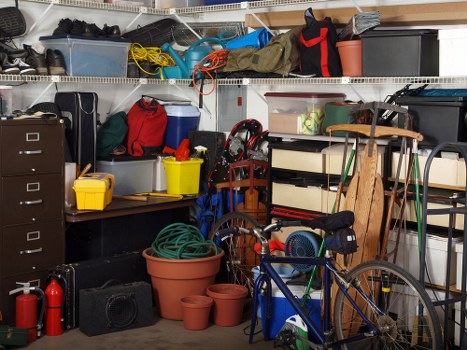
Some office clearances need a little more care because the premises contain awkward layouts, compact storage or items that require extra handling. That might include under-stair cupboards, narrow corridors, basement rooms, heavy filing cabinets or a reception area that must remain partially in use during the work. In those cases, the best approach is to explain the arrangement in advance rather than waiting until the team arrives. The more accurately the space is described, the more likely it is that the job can be handled in a single, well-planned visit.
There is also a difference between a clearance that is mostly standard furniture and one that contains a lot of mixed business contents. The latter usually takes longer because each area needs its own sort, lift and move sequence. If the premises have items that must be kept aside, such as client records, display stock or equipment to be reused, it helps to identify those clearly and keep them grouped. A quotation should reflect the genuine amount of work involved, so any detail about fixed storage, access limitations or awkward removals is valuable.
When you are ready to move from planning to action, keep the request simple and specific. Name the office type, the rooms involved and the main items to be removed. If there is a related service you also need, the site’s pages for garage clearance and garden clearance show other clearance categories, but those are separate from office work. Use the page that matches the task, then ask for a quotation based on the actual contents and access.
Choosing the right clearance scope
Not every office needs a full emptying. Some premises only require a partial clearance, such as a storeroom, a meeting room or several pieces of outdated furniture, while others need a complete strip-out. The sensible choice depends on the end goal: a move, a refurbishment, a downsizing exercise or a final exit from the building. Clarifying that goal early avoids confusion later, because the same space can lead to very different quantities of work depending on what must remain in place.
A clear scope also makes it easier to judge whether the office clearance should be treated as one room, one floor or a whole premises project. If the contents are spread across several areas, list them in order of importance and mention any deadlines attached to each part. For instance, reception furniture may need to go before back-office storage, or archive cupboards may be more urgent than communal kitchen items. Those distinctions help the service be planned in the right sequence rather than as a single undifferentiated task.
For a direct enquiry, plain text is often enough: say what you want removed, when the work needs to happen and whether the office is still operational. Ask for a quotation once you have gathered those basics, and keep the request focused on the actual contents rather than broad generalities.
Getting a quotation for office clearance in Enfield

A good quotation starts with a straightforward description of the office and the work involved. Mention the location of the items, the type of furniture or equipment present, whether there are archive or storage areas, and whether anything is to remain on site. If the clearance is part of a move or refurbishment, say so plainly. That allows the quote to reflect the project properly and helps avoid later changes that could have been anticipated from the outset.
When you are ready, request a quotation and include a brief summary of the rooms, the access and the item types. If helpful, you can also note whether the office is occupied, vacant or partly cleared already. The fewer assumptions that need to be made, the more reliable the response is likely to be. A clear enquiry saves time for both sides and makes it easier to arrange the right kind of office clearance for the space involved.
If you would like to proceed, contact us to request a quotation for office clearance in Enfield. Provide the basics of the job, and the service can be matched to the size, layout and contents of your premises.