Hazardous Waste: Items Enfield crews won't collect
If you are clearing a garage, a loft, or an office and suddenly find a box of old paint tins, a leaky battery, or a half-used can of solvent, you have probably hit the awkward bit: Hazardous Waste: Items Enfield crews won't collect. It is one of those topics that sounds straightforward until you are standing there in front of a pile of things that look rubbish-ish, but not quite normal rubbish. And, to be fair, that uncertainty is exactly where people get stuck.
This guide explains what crews typically refuse to take, why those items are treated differently, what happens next, and how to handle them without making a mess of the job. Whether you are dealing with a home, flat, office, or commercial clearance, the aim here is simple: help you stay safe, avoid delays, and understand your options before anything gets lifted.
In our experience, the biggest problems happen when people assume "it's only a bit of paint" or "the battery is dead so it must be fine." That is usually where the trouble starts.
Table of Contents
- Why this matters
- How collection restrictions work
- Key benefits of knowing what is excluded
- Who this is for
- Step-by-step guidance
- Expert tips
- Common mistakes to avoid
- Tools, resources and recommendations
- Law, compliance and best practice
- Options and comparison
- Real-world example
- Practical checklist
- Conclusion
- Frequently asked questions
Why Hazardous Waste: Items Enfield crews won't collect Matters
Hazardous waste is not just a technical label. It is a practical safety line. Once an item can leak, ignite, corrode, react, contaminate other waste, or expose people to fumes, it usually stops being a normal clearance item. That is why many Enfield crews will not collect it as part of a standard household, office, or general waste removal.
The reason is plain enough. Crews need to protect themselves, the vehicle, the property, and the rest of the load. A single damaged container of chemicals can spread through a van floor in minutes. A loose battery can short-circuit. A fluorescent tube can shatter. It only takes one small item to create a much bigger job.
This also matters because people often mix hazardous items into larger clearances without realising it. A garage clearance, for example, may look like a simple haul-away job until someone spots car fluids, pesticides, asbestos-containing materials, or old gas canisters tucked behind the mower. That is the kind of moment that changes the plan, sometimes right there on the driveway.
If you are comparing clearance options, it helps to separate ordinary waste from regulated or specialist material early. That is especially true for services like garage clearance, loft clearance, and office clearance, where hidden items are common and the wrong surprise can slow everything down.
Key takeaway: if an item could leak, burn, react, contaminate, or injure someone, do not assume a standard crew can take it. Ask first. That one habit saves a lot of grief.
How Hazardous Waste: Items Enfield crews won't collect Works
Most clearance teams work to a simple rule: if they cannot safely handle, transport, and dispose of an item within their permitted process, they will refuse it. That does not mean they are being difficult. It means the item belongs in a different waste stream.
In practice, the process usually works like this:
- You identify the item and flag anything that looks hazardous, sealed, pressurised, corrosive, or chemically treated.
- The crew assesses the load before lifting begins. If something is clearly outside their scope, they will leave it out of the clearance or ask you to remove it first.
- The safe items are taken and the restricted items are separated. Sometimes that means the job continues, just with exclusions.
- You arrange specialist handling for the refused items, often through a separate collection route or local disposal facility that accepts that type of waste.
That separation step is the part many people underestimate. If the hazardous item is mixed in with furniture, bagged junk, or building debris, the whole pile may need to be checked. So yes, one rusted can of solvent can really become the thing everyone talks about for twenty minutes. Not ideal, but there it is.
For mixed-property clearances, especially where business waste or renovation debris is involved, services such as business waste removal and builders waste clearance can be useful for the non-hazardous portion of the job, while the risky items are handled separately.
Common categories that crews often will not collect include:
- Paint, thinners, varnishes, and solvents
- Household chemicals and strong cleaning agents
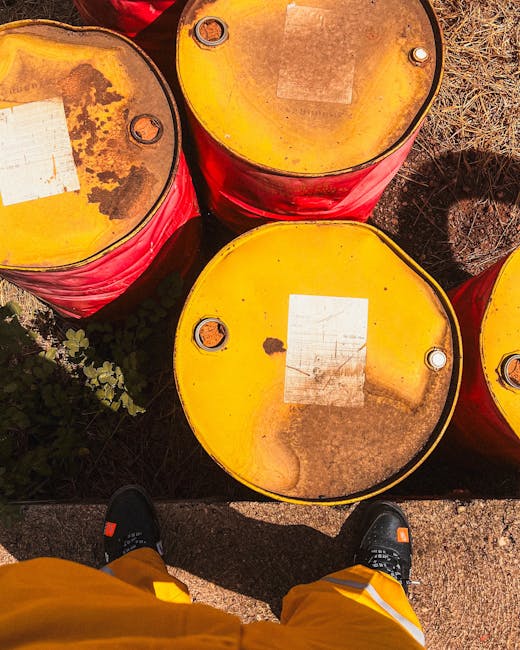
- Oil, fuel, and automotive fluids
- Batteries, especially damaged or loose units
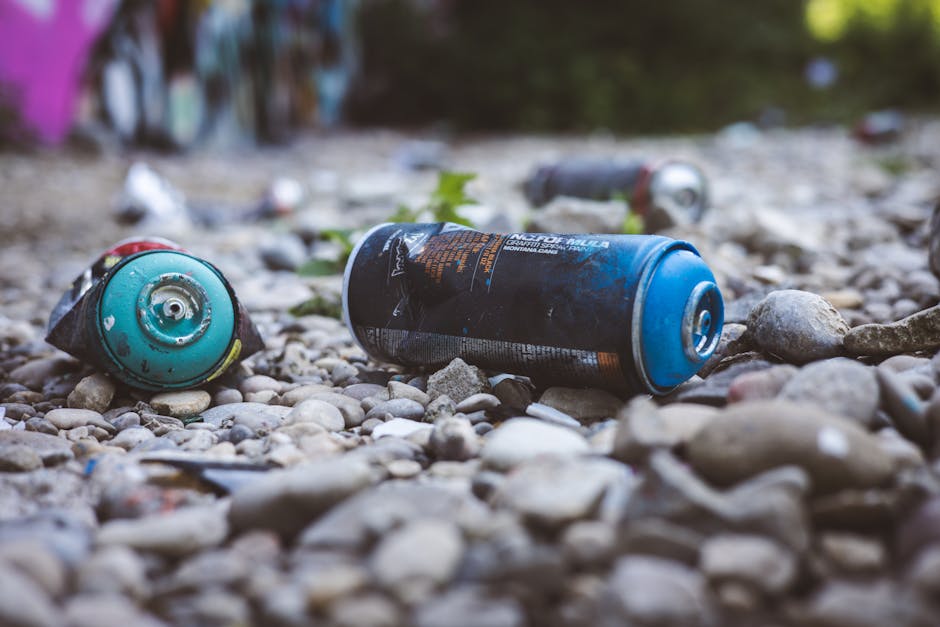
- Gas canisters, aerosols, and pressurised containers
- Fluorescent tubes and some lighting waste
- Asbestos or suspected asbestos materials
- Clinical or infectious waste
- Fire extinguishers and unexploded or uncertain items
- Some electricals with hazardous components
Not every item in those categories is handled the same way, and some crews may take certain electricals or sealed items under controlled arrangements. But as a general rule, if it seems risky, it probably is treated as excluded until checked.
Key Benefits and Practical Advantages
Knowing what Enfield crews will not collect is more than a list of noes. It helps you plan better and avoid the classic last-minute scramble.
1. Faster clearances
When hazardous items are separated in advance, crews can get on with the job instead of pausing to inspect every bag and box. That means less standing around, fewer surprises, and a smoother finish.
2. Safer handling
Safety is the obvious one. A broken bottle of cleaner or a punctured battery pack can create fumes, burns, or contamination. Proper segregation reduces those risks before anyone lifts a thing.
3. Lower chance of rejected loads
One of the most frustrating outcomes is paying for a clearance and then discovering part of the load cannot be taken. If you know the exclusions, you can avoid that awkward moment altogether.
4. Better cost control
Hazardous materials often need specialist disposal. Separating them from standard waste lets you compare like with like. You can price the ordinary clearance separately from the specialist route, which is simply cleaner thinking.
5. Less stress for households and businesses
Truth be told, most people just want the clutter gone without making a day of it. Clear rules reduce uncertainty, and uncertainty is the bit that wears you down.
There is also a sustainability angle. If recyclable and reusable items are not contaminated by hazardous residue, they are easier to divert properly. That fits well with responsible clearance habits and wider reuse work, especially where recycling and sustainability are part of the plan.
Who This Is For and When It Makes Sense
This topic matters to a wider range of people than you might think. It is not just for landlords with suspicious garages, although yes, they are frequent callers.
Homeowners and tenants
If you are clearing a house, flat, loft, shed, or garage, hazardous waste can turn up in the most ordinary places: under the sink, behind the boiler, in a garden cupboard, or mixed into a cupboard of old decorating supplies.
Businesses and landlords
Offices, shops, and rented properties often hold old toner, cleaning chemicals, batteries, broken office kit, and bulky waste with hidden risks. A careful sort makes handover much easier.
DIY renovators and builders
Builders' waste is rarely as clean as it looks. Old insulation, adhesive tubs, sealants, treated timber, and chemical residues can all complicate disposal.
Families dealing with an inherited property
This is a big one. People often find a bit of everything in older homes: garden chemicals, fuel, medicine, paint, and boxes of random electrics. Some of it is harmless, some of it really is not.
Anyone planning a full clearance
If you are arranging a wider service such as home clearance, house clearance, or flat clearance, it makes sense to sort hazardous items first so the crew can price and plan accurately.
Sometimes the right move is not to force everything into one appointment. Sometimes it is two steps. Bit of a nuisance, yes. But usually the safer, calmer route.
Step-by-Step Guidance
If you are not sure how to deal with restricted waste, use this practical approach.
- Walk the space slowly. Open cupboards, check shelves, and look in the obvious hiding places. Hazardous items are often stashed out of the way.
- Separate anything suspicious. If it has a warning label, strong smell, corrosion, stains, or pressure inside the container, move it aside carefully.
- Do not mix categories. Keep chemicals away from food packaging, recyclables, clothing, and general junk. Mixing makes assessment harder and riskier.
- Make a short list. Note down what you found, roughly how much there is, and whether any containers are damaged. A quick list saves time later.
- Check the clearance scope. Confirm which items the crew can take and which need another route. If you are using a general clearance service, ask specifically about hazardous exclusions before the appointment.
- Pack safely where possible. If advised to keep an item upright or sealed, follow that guidance. Do not decant unknown liquids into other bottles. That sounds helpful but can go very wrong.
- Arrange specialist disposal for the rest. Some items need a separate collection, some need local drop-off under the right process, and some need specialist contractors. Keep the paperwork or notes if you have them.
A small but useful habit: keep a "do not move" pile for hazardous items until you have confirmed what they are. It sounds basic, but it stops people from casually dragging a battery pack through the hallway with a key in one hand and a coffee in the other. We have all seen the sort of thing that leads to.
Expert Tips for Better Results
Here are a few practical things that make a real difference.
Tip 1: Check for hidden contamination.
A clean-looking tin can still hold residue. A box that once held chemicals may have absorbed spills. If in doubt, treat it as suspect until checked.
Tip 2: Keep batteries apart.
Loose batteries are a classic issue. Tape terminals if appropriate and safe to do so, or keep them separate from metal items. Damaged batteries need extra care.
Tip 3: Watch for "ordinary" items with hazardous parts.
Some electricals, lamps, and appliances are not hazardous in the dramatic sense, but they still need the right route because of components or internal materials. A broken item is not automatically harmless just because it has a plug.
Tip 4: Photograph doubtful items.
A quick photo helps when you are asking for advice or comparing disposal options. It is much easier to identify a container from an image than from a vague description over the phone.
Tip 5: Clear the room before the crew arrives.
If you already know where the excluded items are, mark them and keep them away from the main clearance path. That makes loading cleaner and reduces delays.
"The calmest clearances are usually the ones where the messy questions are answered before the van turns up."
Tip 6: Don't overpack the job.
If a space has a lot of restricted material, split the work into parts. One appointment for general clearance, another route for hazardous waste. It is not glamorous, but it works.
Common Mistakes to Avoid
Most clearance problems are avoidable. Really, most of them.
- Mixing hazardous and general waste - this is the fastest way to create delays.
- Assuming all old products are safe if they look dry - dry does not always mean harmless.
- Leaving items unlabelled - if there is no label, treat the contents with caution.
- Ignoring pressurised containers - aerosols and gas canisters can still be risky even when "empty."
- Putting chemicals near heat or sunlight - not a great idea, and sometimes a dangerous one.
- Forgetting hidden rooms or outdoor storage - sheds, garages, and lofts often hold the real troublemakers.
- Booking a clearance without asking about exclusions - that's the one people regret later.
A small human truth: most of the awkward calls we hear happen because someone said, "I'm sure it'll be fine." Sometimes it is. Often, not quite.
Tools, Resources and Recommendations
You do not need specialist equipment for every job, but a few basic tools make sorting much easier:
- Sturdy gloves for handling dusty packaging and general debris
- Labels or marker pens to mark suspect items
- Sealable containers for keeping small loose items separate
- Tape for securing battery terminals where appropriate
- Plastic sheeting or a tray to contain drips under containers waiting to be assessed
- Phone camera to record labels, condition, and quantity
As for recommendations, keep the non-hazardous clearance moving and do not let one awkward item stall everything else. For example, a mixed property clearance might still progress neatly if the crew can take the bulk of the load while you hold back the restricted items. That is often the difference between a long, frustrating day and a sensible one.
If you are arranging a more targeted removal, the most useful related pages are often the ones that match the type of property rather than the waste itself. For furniture-heavy jobs, furniture clearance and furniture disposal can help with the non-hazardous side of the load, while a wider waste removal service can support general mixed items.
Law, Compliance, Standards, or Best Practice
When hazardous waste is involved, the safest approach is to follow recognised UK waste-handling practice and the guidance of the collector or disposal provider you are using. Exact rules can vary by material, condition, and destination, so it is wise to avoid guesswork.
The general best-practice principles are simple:
- Do not mix hazardous items with ordinary waste unless you have clear instructions to do so.
- Keep containers sealed and labelled where possible.
- Store them away from children, pets, heat, and moisture.
- Use specialist routes for items that need them.
- Be honest about what you have found so the collection can be planned safely.
For businesses, it is especially important to keep records and separate waste streams correctly. That applies to office clearances, stockroom clear-outs, and end-of-tenancy commercial spaces. A careful approach helps with duty of care expectations and avoids the sort of cross-contamination that creates extra disposal work later.
Good providers will also have clear internal standards around safety, insurance, and handling. If you want to understand how a company approaches those topics, pages such as health and safety policy, insurance and safety, and terms and conditions are useful places to check before you book.
Best practice is not about making the process complicated. It is about making it safe, traceable, and boring in the best possible way. Boring is good here.
Options, Methods, or Comparison Table
If you have found items that Enfield crews will not collect in a standard load, you usually have three practical routes. Which one makes sense depends on the material, the quantity, and how urgently you need the rest of the clearance done.
| Option | Best for | Pros | Watch-outs |
|---|---|---|---|
| Separate specialist disposal | Paint, chemicals, batteries, pressurised items, suspect materials | Safest and most appropriate for restricted items | May require extra time and a different booking |
| Standard clearance minus exclusions | Mixed clearances where only a few items are restricted | Fast, simple, and efficient for the bulk of the waste | You must isolate the refused items first |
| Phased clearance | Big house, office, or garage clear-outs with several waste types | Lets you tackle general waste now and specialist items later | Takes more planning and coordination |
For many households, the second option is the easiest. For businesses or more complex properties, phased clearance often works better because it avoids stopping the whole project for one awkward box of chemicals in the corner.
Case Study or Real-World Example
Imagine a typical Enfield garage clearance on a damp Saturday morning. There are three broken chairs, old shelving, boxes of books, a rusted bike, and a pile of decorating leftovers at the back. At first glance, it looks like a standard job.
Then the crew spots a half-full tin of white spirit, two aerosol cans, an old car battery, and a few cracked plant sprayers. None of those are dramatic on their own, but together they change the picture. The main clearance can still go ahead, but the restricted items are left aside for specialist handling.
What happened next is the useful bit. Because the homeowner had already grouped the questionable items in one corner and kept them separate, the team could load the furniture, shelving, and general rubbish without delay. The job still took longer than expected, but not by much. No confusion, no last-minute rummaging, no "hang on, what is in this box?" moment. Lovely, really.
That is the real value of knowing the exclusions. You do not need to memorise every hazardous category. You just need a good eye, a little caution, and a plan for the odd things that do not belong in a standard load.
Practical Checklist
Use this quick checklist before your clearance appointment.
- Have I checked cupboards, sheds, lofts, and hidden corners?
- Have I separated any paints, solvents, oils, batteries, or chemicals?
- Are any containers damaged, leaking, rusted, or pressurised?
- Have I kept hazardous items away from general waste and recyclables?
- Have I taken photos of anything I am unsure about?
- Have I confirmed what the crew will not collect?
- Do I know which items need specialist disposal later?
- Have I made sure children and pets cannot reach the restricted items?
- Are the safe items easy to access for loading?
- Have I checked any property-specific service pages that may help with the rest of the job?
If you can tick most of those off, you are already in a strong position. If not, no problem - just sort the risky items first and the rest becomes much easier.
Get a free quote today and see how much you can save.
Conclusion
Hazardous waste does not need to turn a clearance into a headache, but it does need respect. The big idea is simple: separate the risky items early, keep the rest moving, and use the right disposal route for each type of waste. That is the most practical way to deal with Hazardous Waste: Items Enfield crews won't collect without wasting time or creating unnecessary danger.
Whether you are sorting a loft, a garage, a house move, or an office clean-out, a little caution now saves a lot of hassle later. And honestly, that is often the difference between a stressful day and one that just gets quietly done.
If you are in the middle of a clearance, take one slow breath, look at the awkward items first, and then move on. Steady is better than rushed. Every time.
Frequently Asked Questions
What counts as hazardous waste in a clearance?
It usually includes items that can leak, burn, react, corrode, pressurise, or contaminate other waste. Common examples are paints, solvents, oils, batteries, aerosols, and some chemicals.
Why won't Enfield crews collect certain hazardous items?
Because those items need specialist handling, transport, or disposal. Standard crews are set up for general clearance work, not for every risk category.
Can I leave hazardous waste in with the rest of the rubbish?
It is better not to. Mixed loads create safety risks and may lead to part of the clearance being refused or delayed.
Will crews take empty paint tins or aerosol cans?
It depends on the item, its condition, and the provider's rules. Some empty containers are still treated cautiously if residue or pressure remains. Always check first.
What should I do with old batteries?
Keep them separate from other waste and away from metal items if possible. Damaged batteries need extra care and should be handled carefully.
Do I need to sort hazardous waste before booking a clearance?
Yes, if you can. Even a rough sort helps the crew plan safely and tells you which items may need another route.
Is asbestos part of hazardous waste?
Yes, suspected asbestos is treated very cautiously and should never be handled casually. If you think an item could contain asbestos, stop and get proper advice before moving it.
Can a garage clearance still go ahead if there are hazardous items inside?
Often, yes. The non-hazardous items can usually be removed while the restricted items are left out for separate handling.
What happens if I only discover hazardous waste on the day?
That happens more often than people think. The crew may remove the safe items and refuse the hazardous ones, or they may pause while you decide how to handle them. A calm, honest explanation helps.
Are office clearances different from home clearances for hazardous items?
Sometimes. Offices may contain toner, batteries, cleaning products, and electrical waste, while homes often have paints, garden chemicals, and DIY leftovers. The principle is the same: separate the risky items.
What is the safest first step if I find an unknown chemical?
Do not open it, mix it, or pour it away. Keep it upright, isolated, and out of reach until you know what it is and how it should be handled.
How do I prepare for a clearance if I suspect there are several restricted items?
Walk the property first, make a list, photograph anything uncertain, and keep hazardous items together in one place. That gives you a clearer plan and reduces delays on the day.